The One Concept Method
I’ve been using the one concept method for just over a year now and I can confidently say it has changed the way I design and my clients are happier with this process. Plus, it has left me feeling more fulfilled in my work.
What is the One Concept Method?
The graphic design industry standard is anywhere from 3-6 concepts delivered to a client for a brand identity project and then the client gets to choose the option they like best. With the one concept method, the designer only delivers one concept.
I used the standard 3 concepts for many years before making the switch and for the most part, it worked but there were a few flaws that kept popping up.
There’s not always three solutions
The client has a problem and as designers, it's our job to find the best solution. Many times there is only one solution to that problem. By coming up with 3 possible options and having the client choose their favorite, you are missing the opportunity to provide them with the very best solution.
You’re the expert
You’re the expert, the client is hiring you for your design experience and expertise. By leaving it up to the client to choose their favorite, you're doing them a disservice by not consulting on the best solution for their brand.
You risk clients mixing and matching
We’ve all been there. We give the client 3 options and they like something from each option. What you end up with is a mish-mash of logo designs that look nothing like what you intended.
You’re left creatively drained
When you’re creating a design, you follow the path it takes you down. You try every possible color combination, font options, and layout until you arrive and the perfect solution. Then, if you have to deliver that 3 times for the same brief you’re left feeling creatively drained and like a monkey forced to dance.
Why I love the one concept method
From the very first attempt at using the one concept method, I knew that it was the right choice for my business, clients, and design process. Here are a few reasons why I love the one concept method:
Give clarity to the client
Have you ever been to a restaurant and there's a few different things on the menu that you are really excited to try but obviously you can only pick one because you can't eat all three? That's what it's like for clients when you deliver them too many options to choose from, they end up really liking all of them and it becomes hard for them to choose. By giving them a clear option that is obviously the perfect solution to their design problem, you give them clarity around their brand identity and the brand’s direction moving forward.
Fewer revisions
“Can I just see one more small revision?” That's every designer's least favorite line, we've all heard it. The one concept method has hands down has cut my revisions on projects to almost zero.
Improves your design process
Why create three watered-down options when you can create one stellar concept? Before using the one concept method, I was delivering three options to my clients. During the design process there was always one that I knew was the best solution and I’d cross my fingers and hope the client would pick it so it could be developed more. The other two options felt like leftovers, they were good at the start but not so good that I wanted to finish them. By honoring my creative expertise and choosing the option that I know is best for my clients it allows my design and creative process to flourish.
How to use the concept method
Before I started using the one concept method I was really unclear about how my clients would be okay with receiving just one option. For so long my clients have expected three choices and making that switch felt really hard.
After doing my research and consulting with colleagues, I decided to give it a try. There is a reason it's called the method. You have to take certain steps in order to ensure success for both you and your client. Here are a few things to consider when using the one concept method.
Be very clear
It's important to be clear with a client that you use one concept method, include it on your services page, in your project proposal, and in your contract. This will help you avoid any surprises for the client and make sure that you're on the same page.
I learned this one the hard way. There was a situation where I wasn't clear with my client that I used the one concept method and they were anticipating a few options to choose from. The project didn't go very well because they were disappointed in having only one choice.
Get approval on creative direction
Before any design begins you need to make sure that the creative direction is approved. Every designer has a different process but my process leading up to design looks like this:
The lead gets in touch via my website, answers a few questions on the contact form.
If they are a good fit, we will schedule a discovery call.
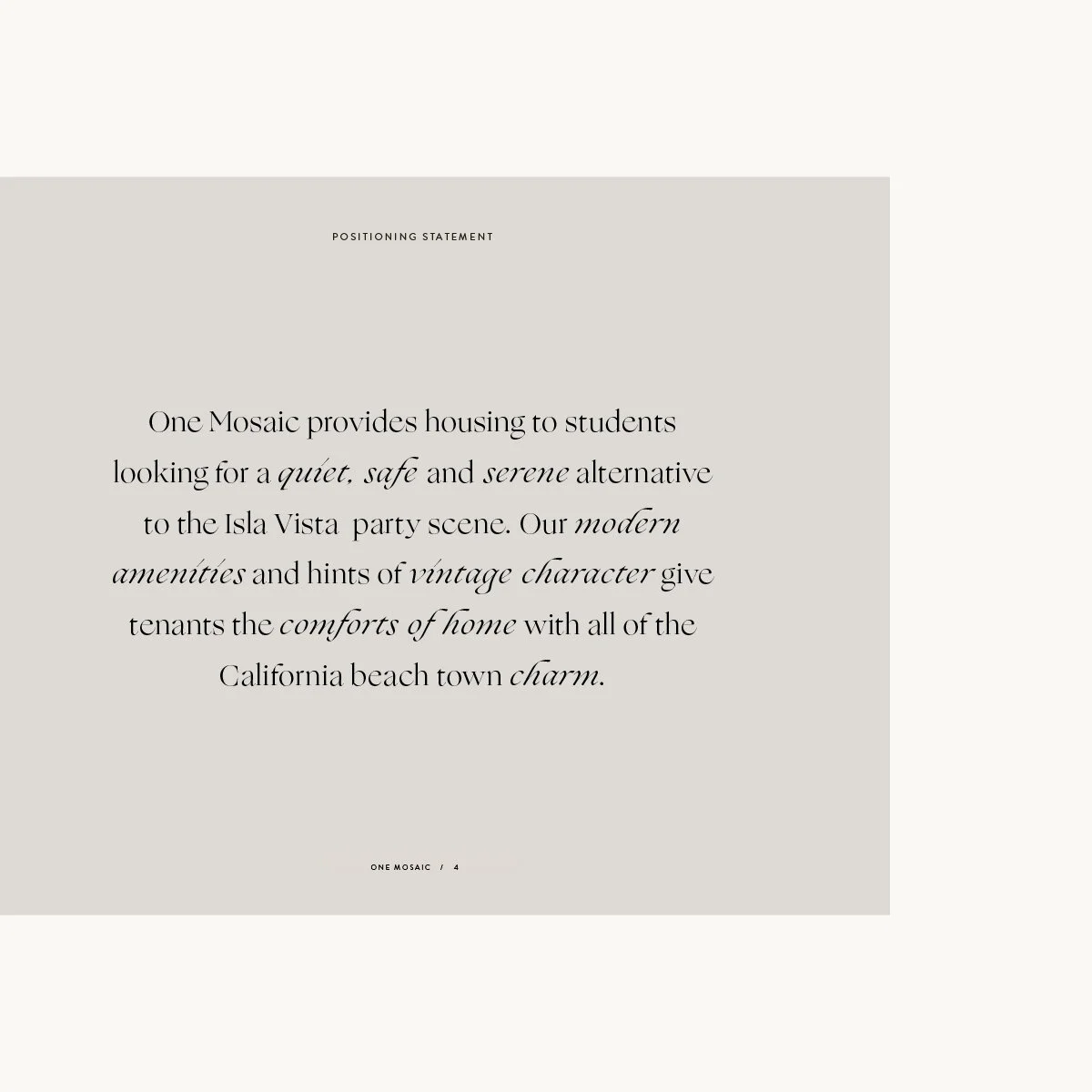
After that discovery call, if we decide to work together, the onboarding begins (contract, invoice and brand questionnaire, etc.). The questionnaire asks them about their core values, positioning statement, ideal client, any ideas they have for design, colors, icons, or creative direction for the brand.
We then hop on a design consultation Zoom call to talk about the answers to their questionnaire as well as the creative direction.
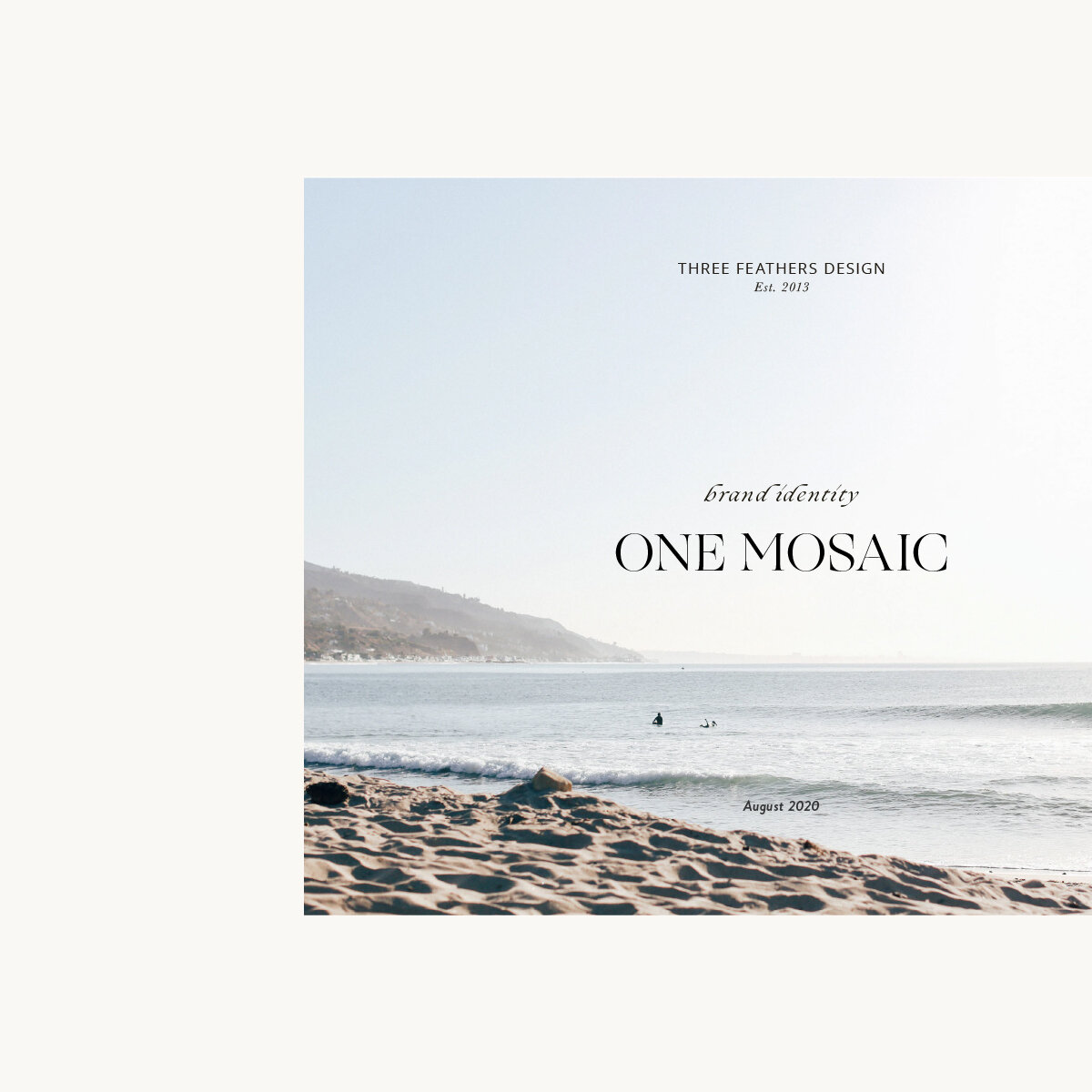
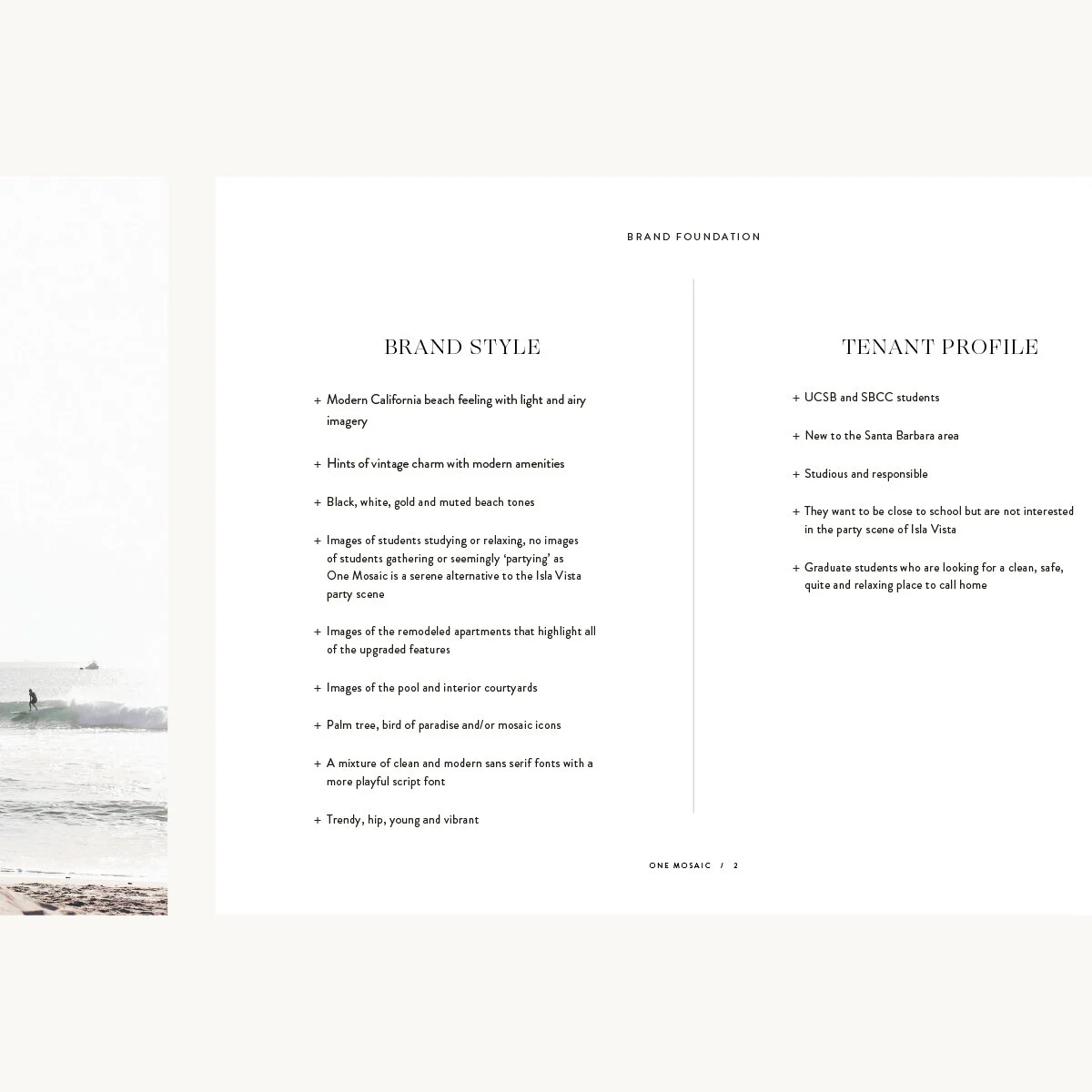
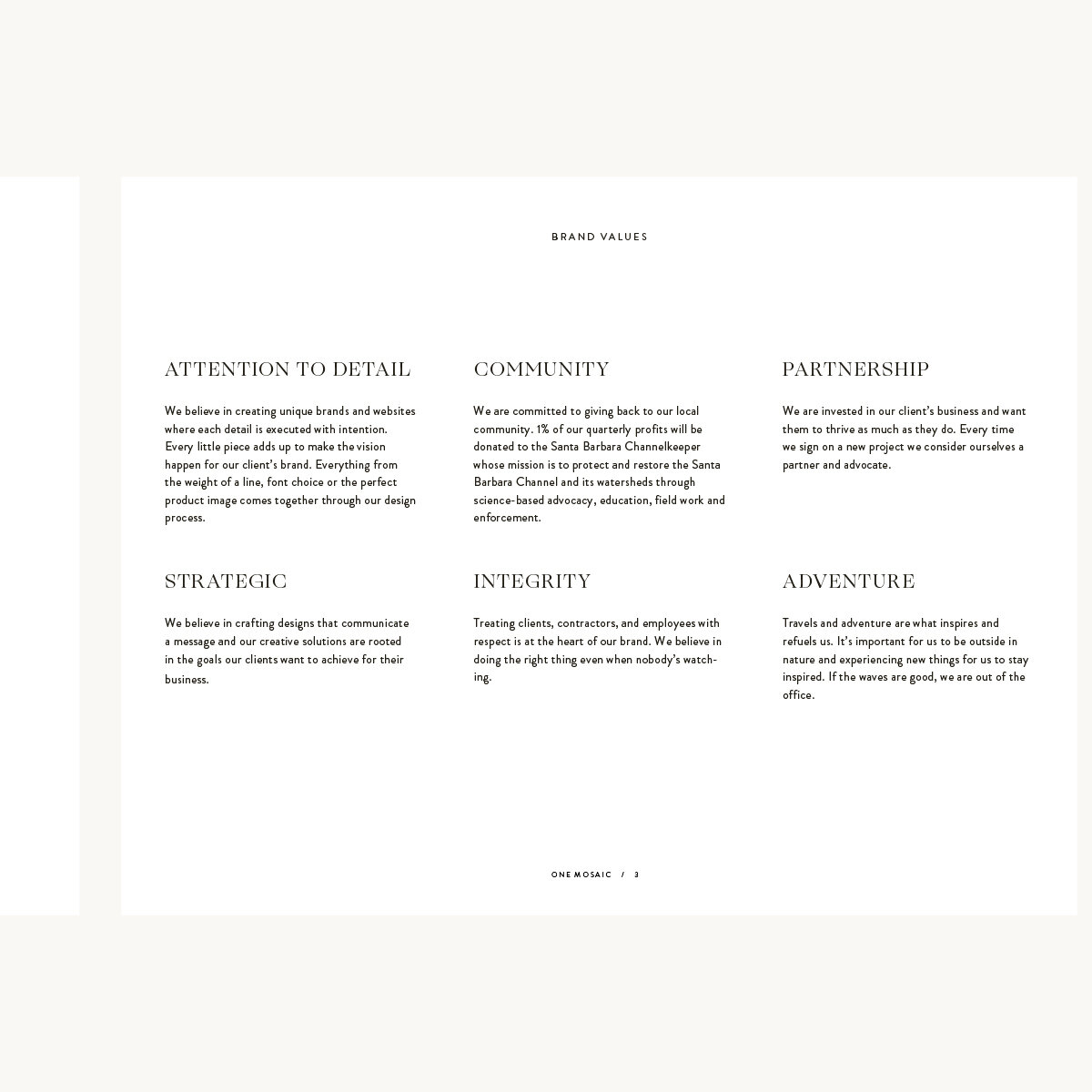
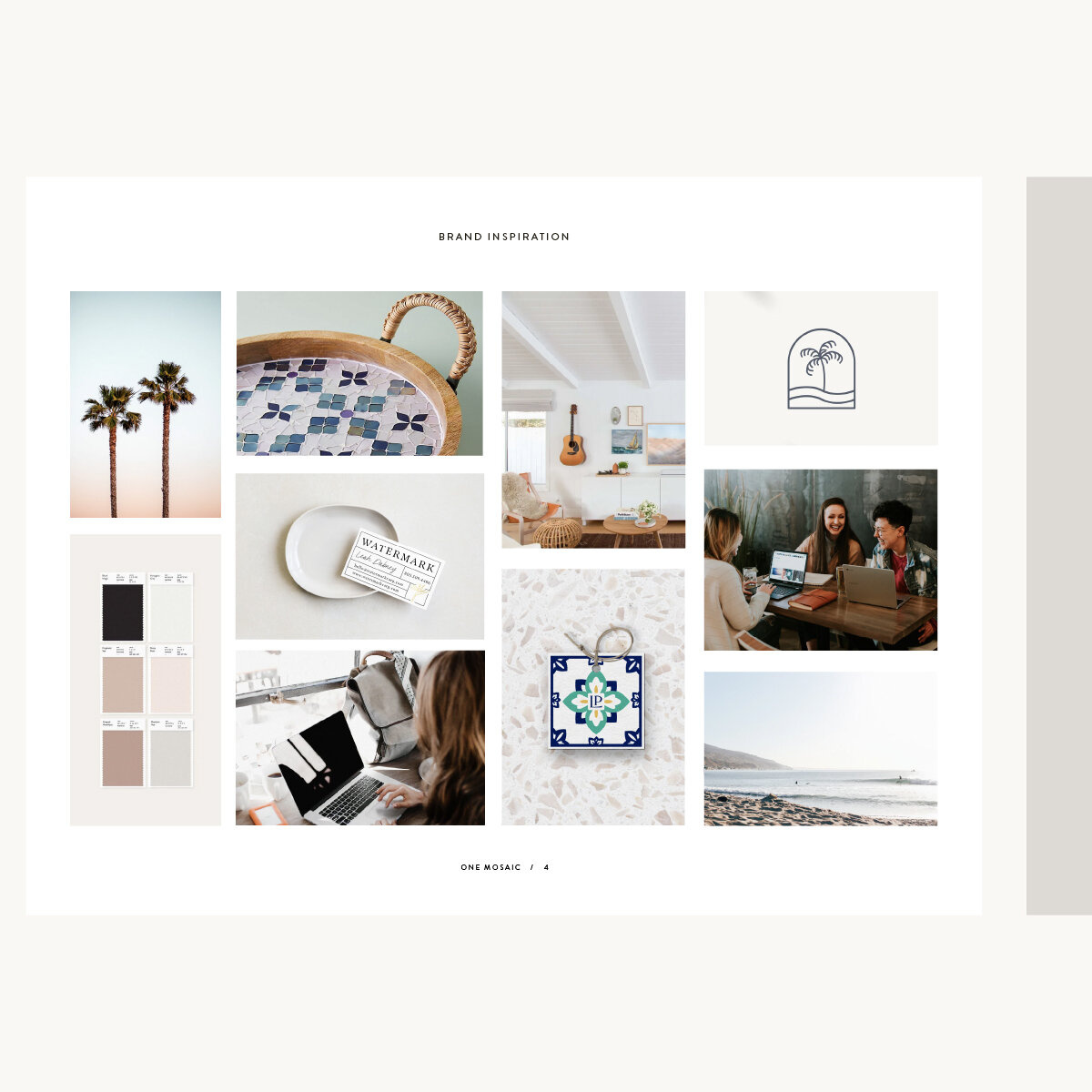
The call is summarized in a Brand Foundation document. It's crucial that the Brand Foundation gives the client a clear direction and understanding of their brand. It needs to include all of the information about the ideal client, their core values, the positioning statement as well as any ideas for the brand identity. The mood board should contain color ideas, font ideas, textures, or anything that will give clarity to the client about what the brand identity will look like. I compile all of these materials in a branded PDF.
The Brand Foundation PDF is then sent to the client and needs to be approved before any design begins.
This step is so important because the Brand Foundation is what your design choices are rooted in. Any choices you make in your design process need to honor this Brand Foundation. By also having the client see and approve it, they have an understanding that the brand identity is designed around this Foundation.
Build a responsive brand identity
Any successful brand identity is more than just a single logo. It's a full suite of logo marks that give the client options depending on the medium they're using the logo in. The primary logo needs to be able to scale larger or smaller, needs to work in one color, and needs to be responsive depending on the place it will be used in.
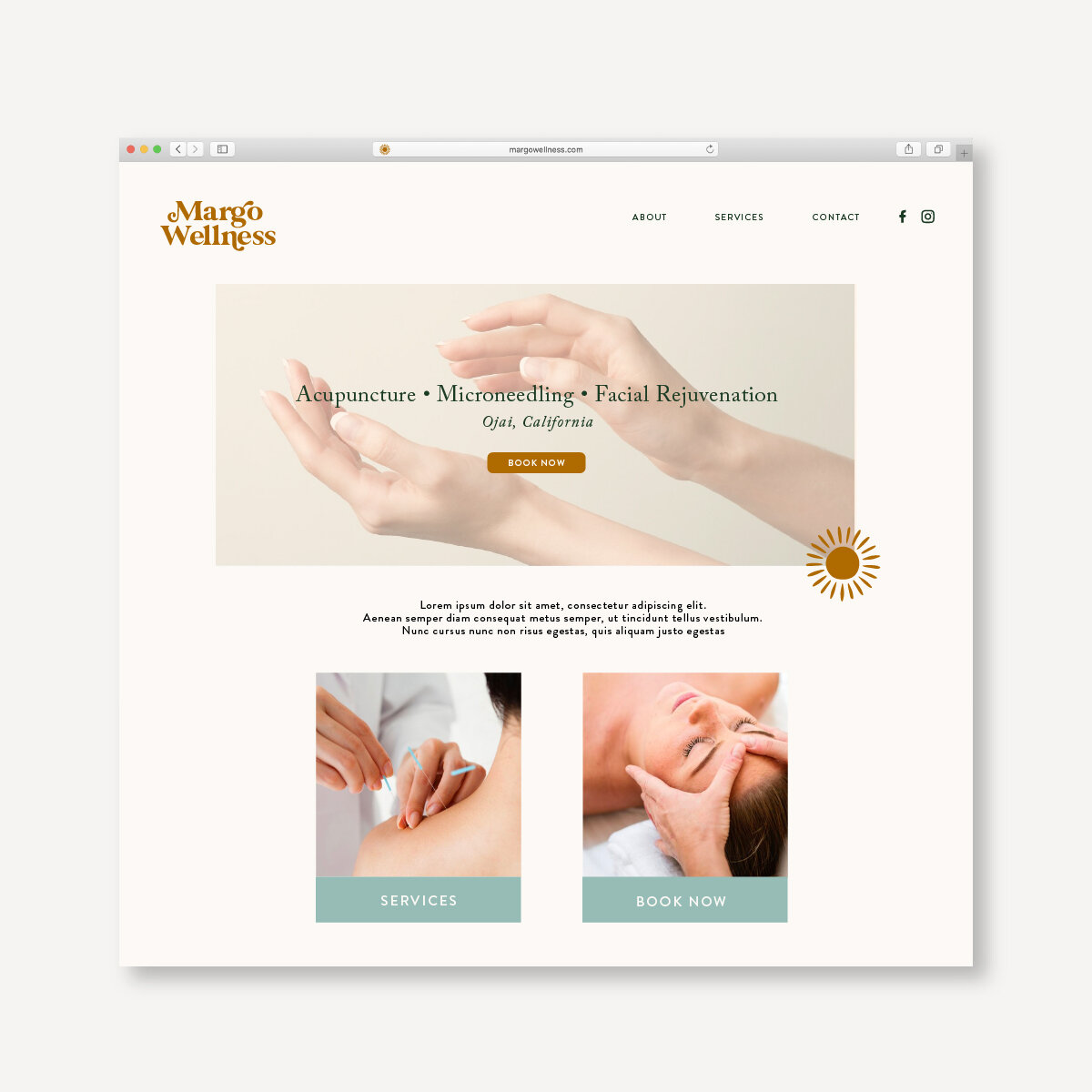
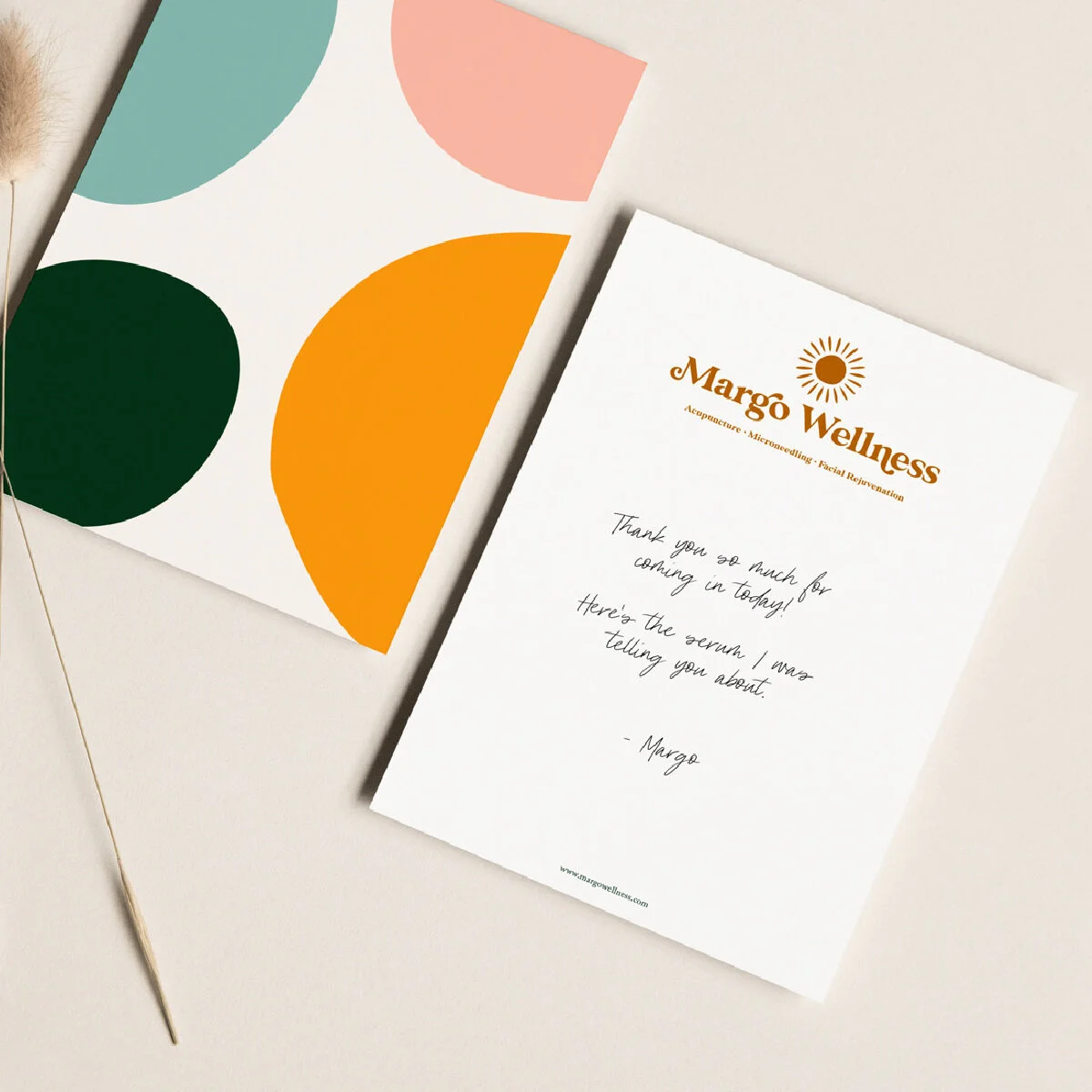
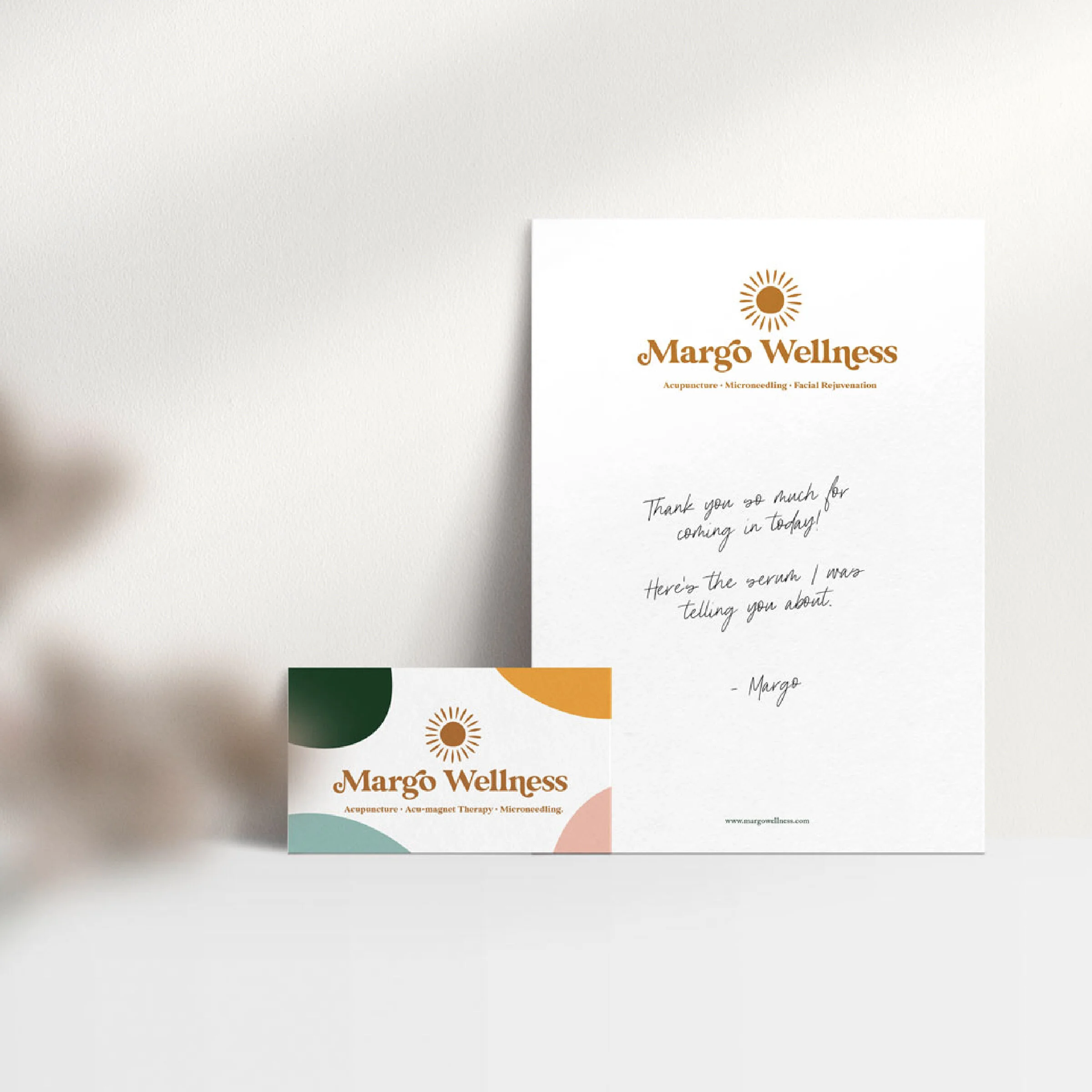
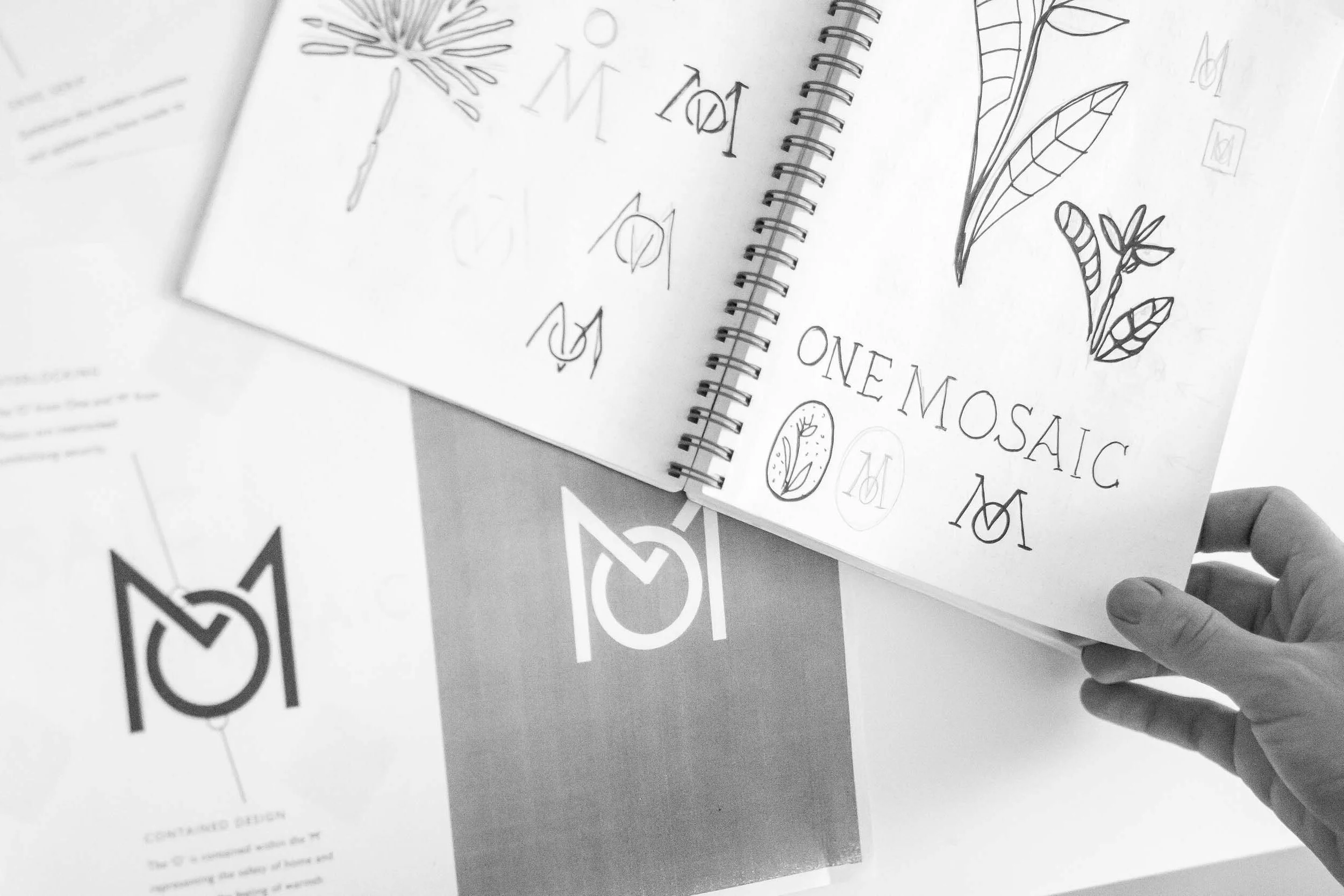
One concept doesn't mean a single logo on the white background, it’s a complete brand suite built out in its entirety. For me, a typical brand identity project includes a primary logo, alternate logos, logo submark, and logo icon. As well as a color palette, font suggestions and possibly brand icons or patterns.
When using the One Concept Method you need to design all of these assets and show them to the client when presenting the concept.


Explain your design choices
With any concept, you need to be very intentional about why you're making a certain design decision.
Why are you choosing blue for the logo? Does this font choice attract their ideal client? Does this logo icon speak to the brand’s core values?
With the one concept method, you need to explain all of these decisions to your client. I always refer back to the Brand Foundation as a guide for all my design choices within a project.
Explaining Your Design choices to clients will help them understand the rationale and meaning behind the brand identity.
Show the client real-world examples with the concept
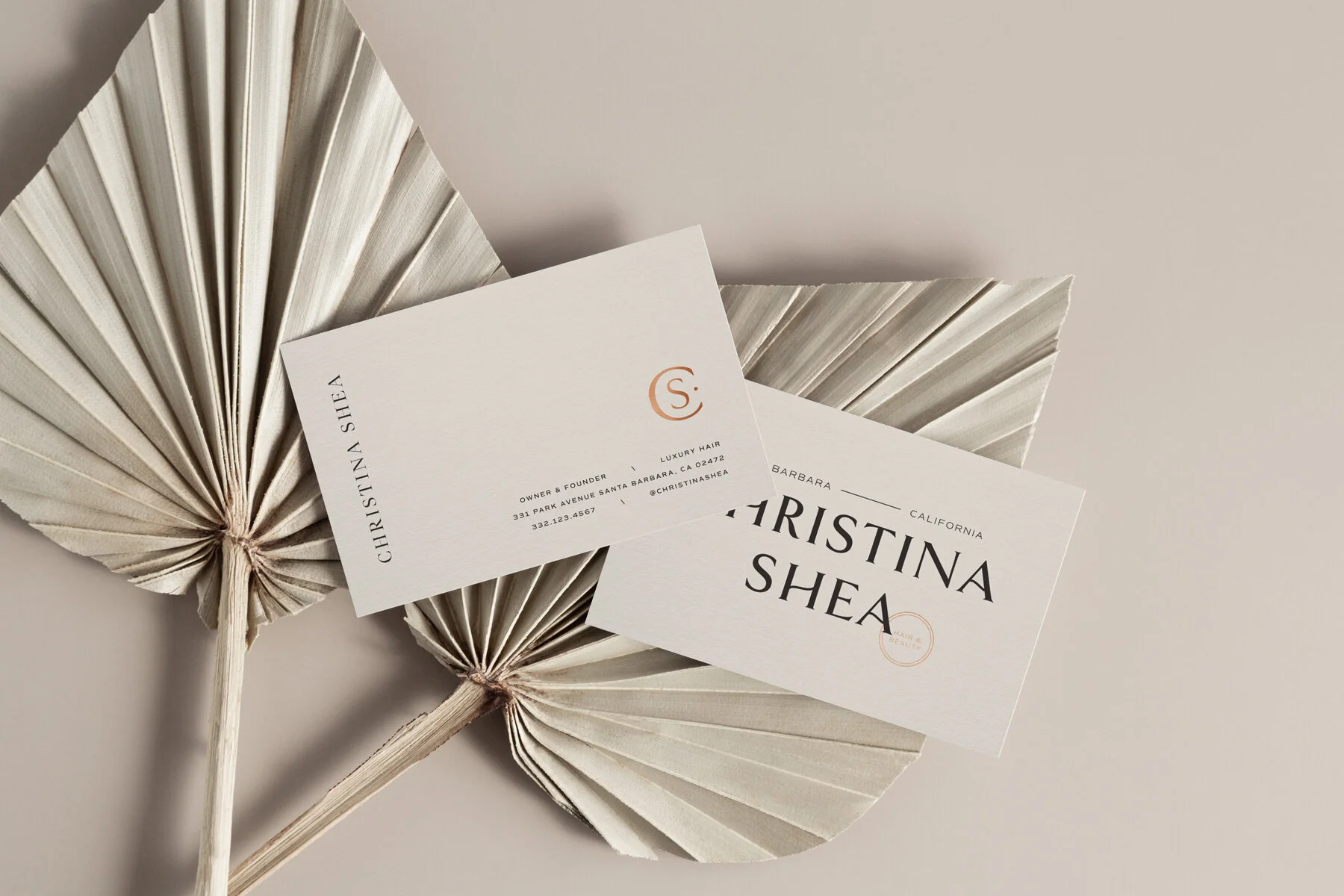
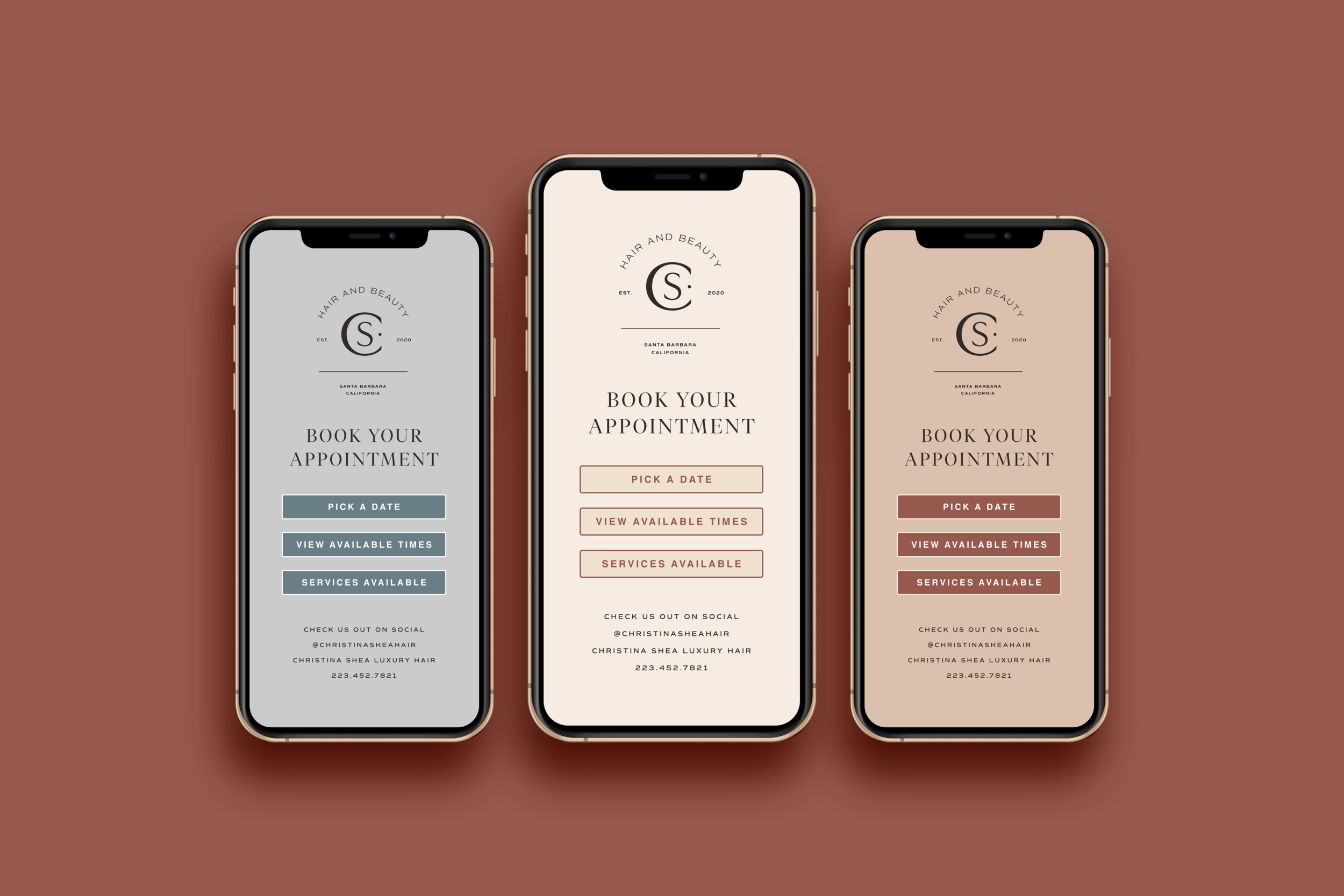
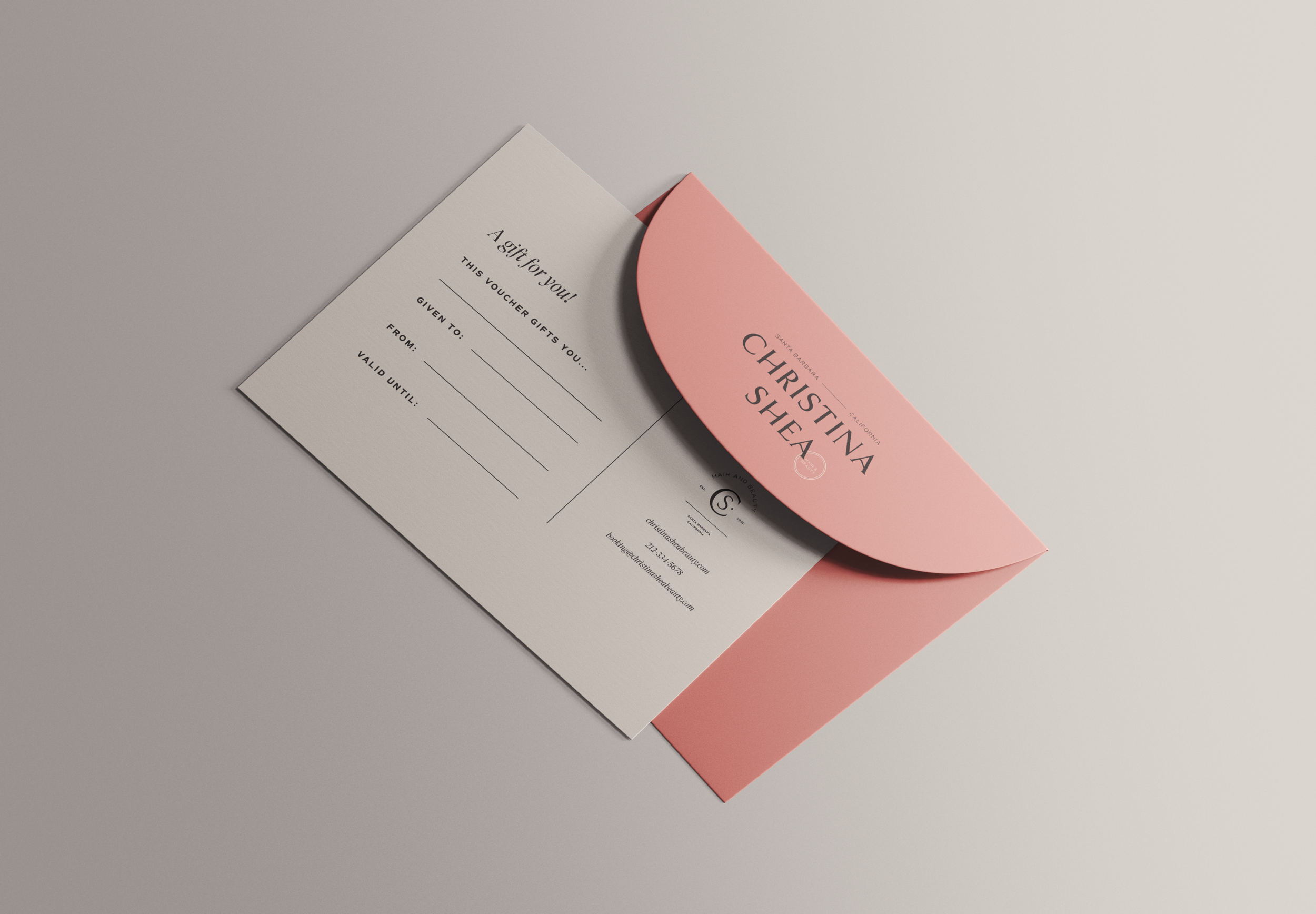
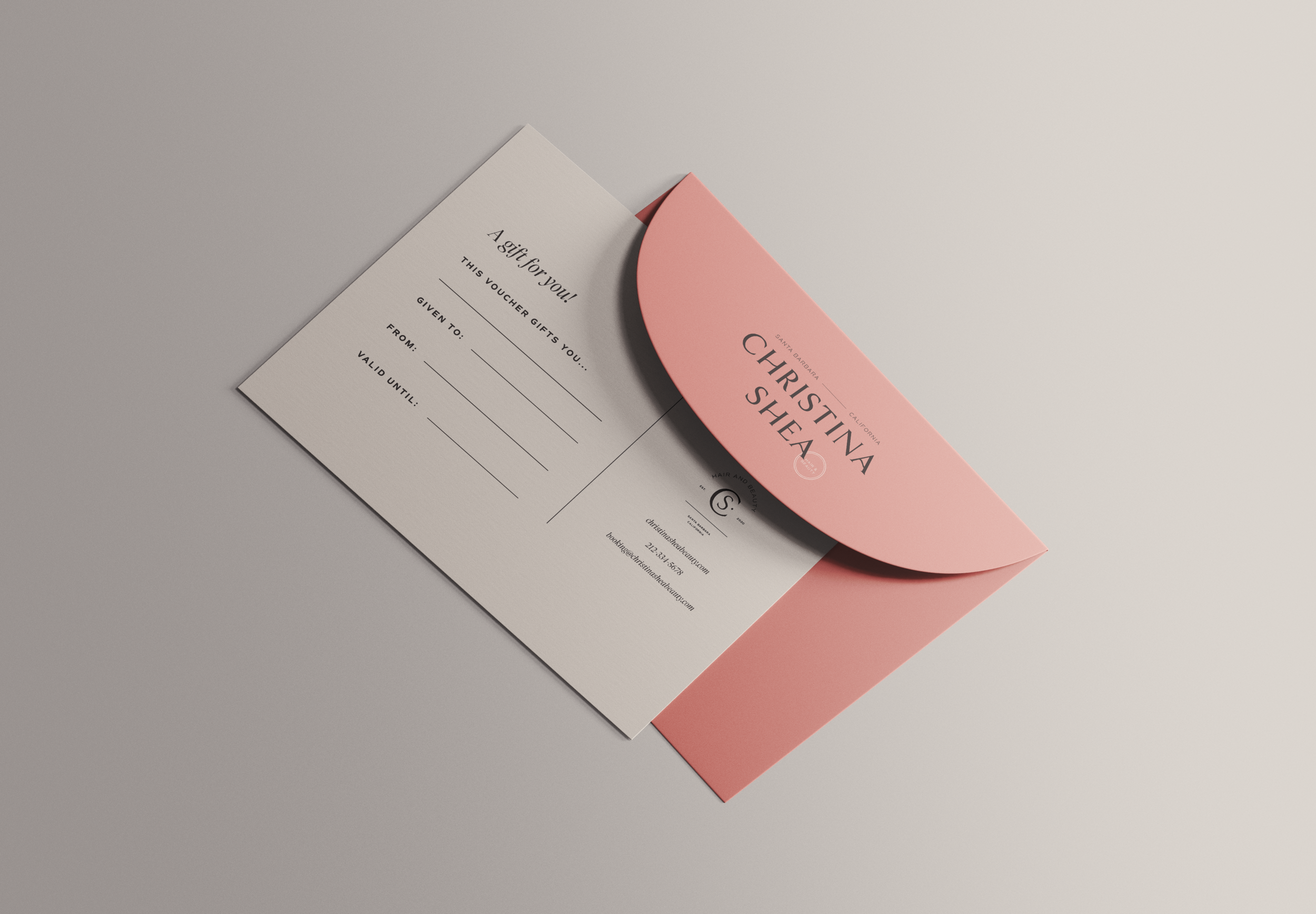
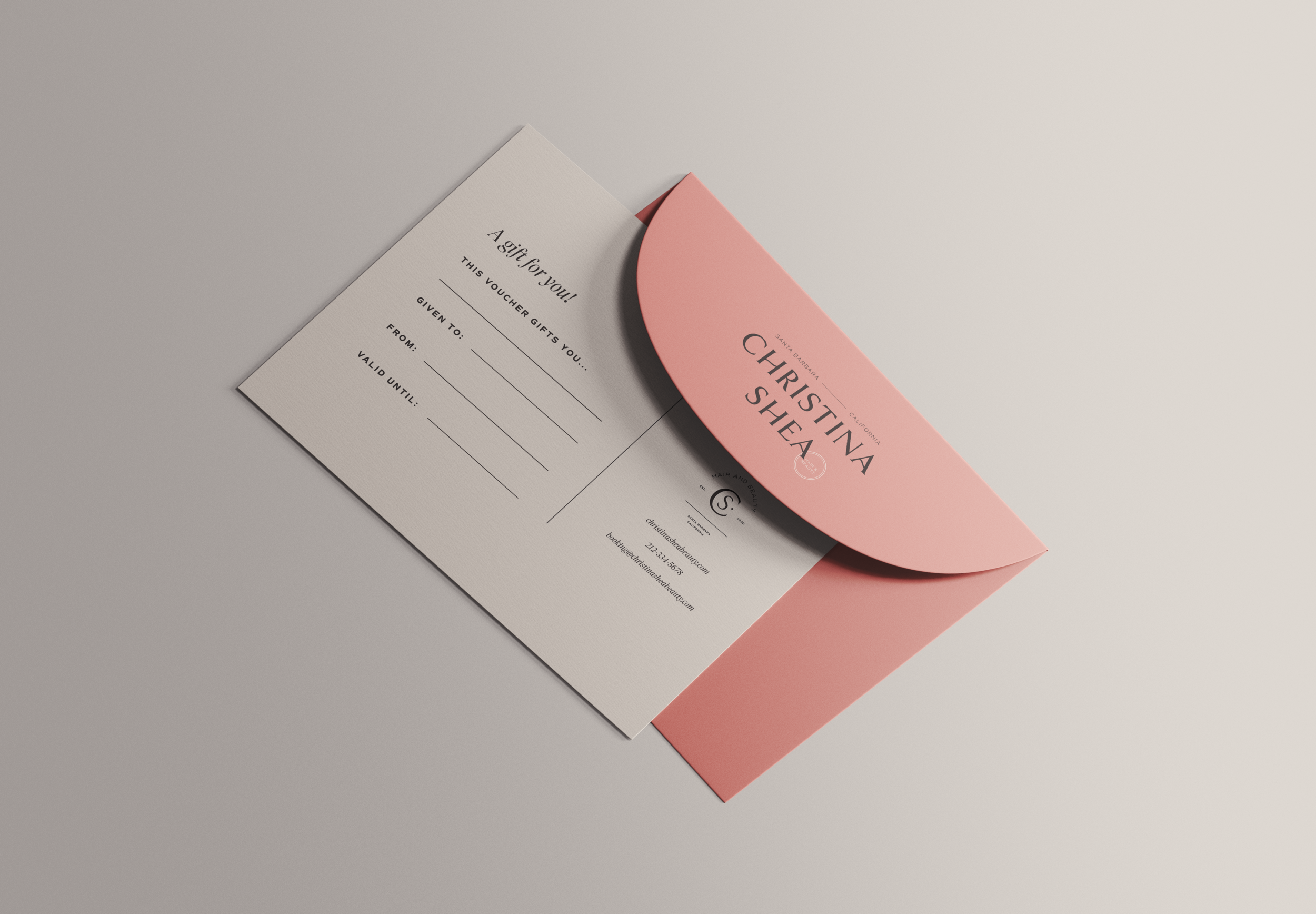
When presenting the concept to clients you want to show real-world examples of the brand identity in use. This helps the client envision their brand and fall in love with it. You should mock-up the brand identity with collateral items that are relevant to the client. For example, if they are an online business, perhaps you mock up a website home page or social media profile. Most of my brand identity projects include a business card so I'll always mock-up a business card within the presentation. This is what sells the concept to the client and you need to spend time and care creating the mock-ups.

Present the concept in real time
The last step in using the One Concept Method successfully is presenting your brand identity concept in real time. This can be via Zoom or in person but you need to go over the document with the client so that they can ask questions, you can explain your design choices and walk them through the entire brand identity.

It's called the one concept method for a reason there's a strategy to use when implementing this process, it takes practice and care to get it right. if it's something that interests you I recommend beginning to implement it into your process, I wish I had started using it sooner.
Have questions or comments? Ask them below!
Steal My Process
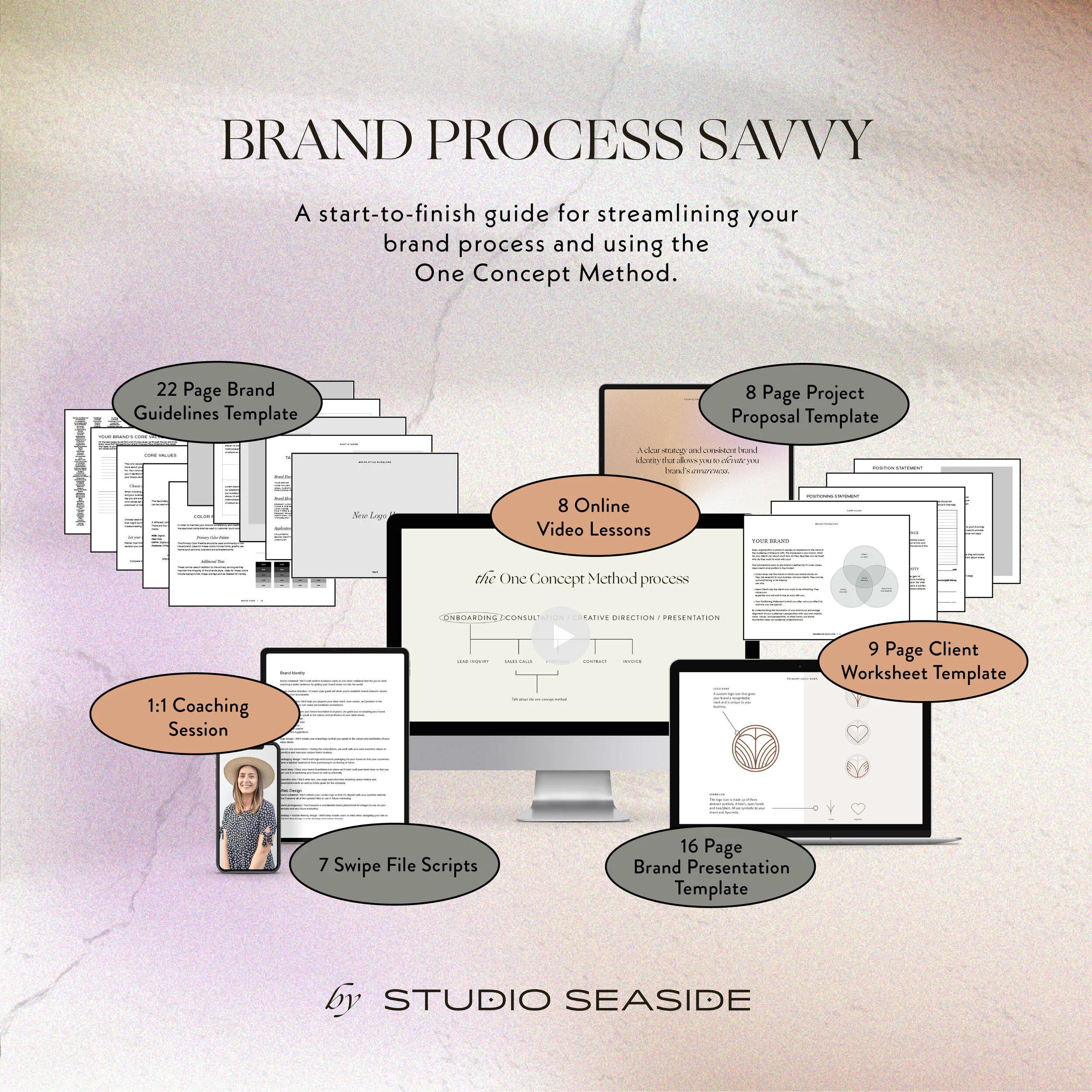
Brand Studio Savvy includes three modules jammed packed with video lessons, worksheets, and templates to use when implementing the One Concept Method in your design business as well a one 45 min one-on-one session with Hayley.